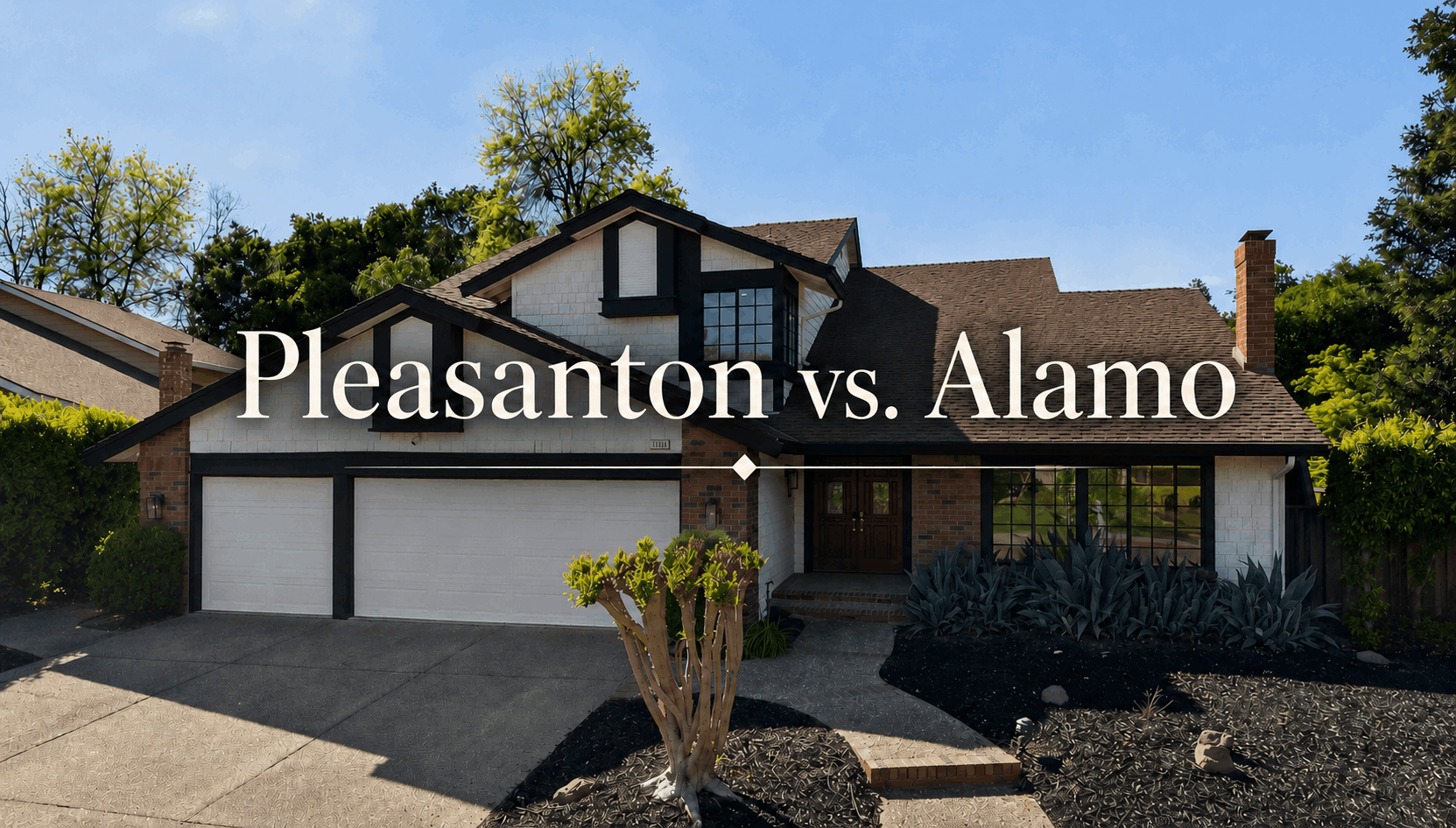
Pleasanton vs. Alamo: Which Luxury Market Actually Fits Your Family in 2026?
East Bay Luxury Real Estate & Cross-County Advisory
In my experience guiding move-up buyers across the Alameda and Contra Costa county line, the "Pleasanton or Alamo" decision is rarely about which community is more prestigious. It is fundamentally about which carrying-cost structure, lot topography, and lifestyle rhythm your family wants to sustain. Pleasanton delivers incorporated municipal services, vibrant downtown walkability, and dual mass-transit rail; Alamo offers unincorporated, semi-rural acreage, equestrian privacy, and non-HOA estate living.
The right choice depends on your school attendance priorities, your tolerance for California FAIR Plan wildfire insurance underwriting, and how your daily commute interacts with the Interstate 680 corridor. Below is the comparative framework we walk our clients through before they write an offer.
Direct Answer: The fundamental choice between Pleasanton and Alamo comes down to civic walkability versus private estate acreage. In 2026, Alamo (ZIP 94507) detached homes carry a median sales price of ~$2.70M ($893/sq. ft.) and move in a rapid 9 days due to thin inventory (only ~57 active listings), offering 0.50 to 1.5+ flat acres, non-HOA autonomy, and Monte Vista High School zoning (SRVUSD). However, Alamo is car-dependent and hillside parcels require $5,000–$12,000+/year in California FAIR Plan wildfire insurance. Pleasanton (94566/94588) detached homes trade at a median of ~$1.84M ($810/sq. ft.) with an average of 26 to 30 days on market, delivering 0.20 to 0.35-acre parcels, walkable historic Main Street dining, dual BART rail stations, the ACE Train to Silicon Valley, and top-tier Amador Valley High and Foothill High School feeders (PUSD). Neither community charges a municipal city transfer tax.
What's the Real Price Difference Between Pleasanton and Alamo Right Now?
As of 2026, Alamo's (94507) median detached home price sits near $2,698,385—roughly $860,000 higher than Pleasanton's detached-home median of $1,837,000. Alamo also moves faster, with a median of just 9 days on market versus 26 to 30 days in Pleasanton, reflecting Alamo's exceptionally thin inventory of only ~57 active units.
For a three-way regional comparison including neighboring Contra Costa markets, see our guide: Pleasanton vs. San Ramon vs. Danville for $2M Buyers.
Is There a Mello-Roos or CFD Trap Buyers Miss in Pleasanton?
Yes—and it is one of the most overlooked line items in Tri-Valley escrow. Newer detached single-family subdivisions in eastern Pleasanton (ZIP code 94588 near the Dublin border built after 1990) frequently carry a Community Facilities District (CFD) lien that adds $1,000 to $3,200+ annually to property taxes.
Because mortgage underwriters treat recurring CFD assessments as mandatory monthly housing debt, a surprise $3,200/year assessment adds roughly $267/month to your debt-to-income (DTI) ratio, potentially reducing jumbo loan borrowing capacity by $40,000 to $50,000.
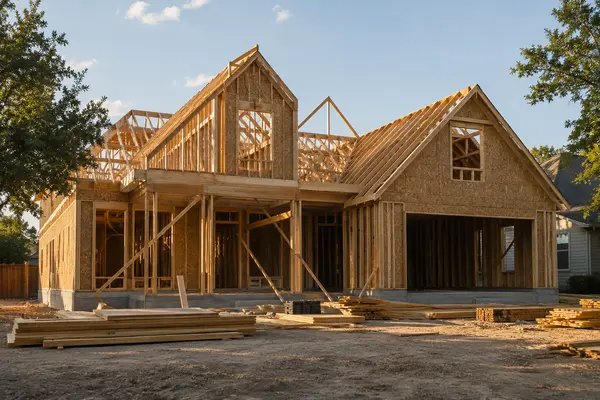
Older, established Pleasanton neighborhoods (Vintage Hills, Del Prado, Birdland) and virtually all of Alamo are exempt from Mello-Roos. If considering new construction or expanding an existing parcel, explore our analysis on custom home development costs in Pleasanton and our audit of the hidden costs of buying a luxury home in Pleasanton.
Do Pleasanton or Alamo Charge a Municipal Transfer Tax?
Neither community imposes a municipal transfer tax, representing a major cost advantage over Bay Area cities like Oakland or Berkeley (which levy city transfer taxes up to 1.5% to 2.5%).
Sellers in both markets pay strictly the standard California county documentary transfer tax rate of $1.10 per $1,000 of purchase price (paid to Alameda County for Pleasanton transactions, and Contra Costa County for Alamo sales). On a $2,500,000 transaction, the total documentary transfer tax is just $2,750—saving sellers $35,000 to $60,000 compared to adjacent urban markets.
Which School Zones Should Actually Drive Your Address Decision?
Both the Pleasanton Unified School District (PUSD) and the San Ramon Valley Unified School District (SRVUSD) rank among the top public school systems in California:
Pleasanton Unified (PUSD)
Campuses: Amador Valley High School & Foothill High School.
Ruby Hill, Del Prado, and central core tracts feed directly into Amador Valley High School. Vintage Hills, Castlewood, and The Preserve feed into Foothill High School. PUSD is recognized for 70%+ math proficiency, walking-distance campus integration, and robust STEM robotics and music programs.
San Ramon Valley Unified (SRVUSD)
Campus: Monte Vista High School (Danville).
Alamo addresses feed into Alamo Elementary or Stone Valley Middle, advancing to Monte Vista High in Danville. Monte Vista consistently ranks in California's top 5%, characterized by elite academic rigor. Because Alamo spans semi-rural acreage, students rely almost entirely on personal vehicles rather than walking.
How Do HOA Structures Compare Between Ruby Hill, Castlewood, and Alamo?
Homeowners Association governance separates the master-planned lifestyle of Pleasanton from the unincorporated freedom of Alamo:
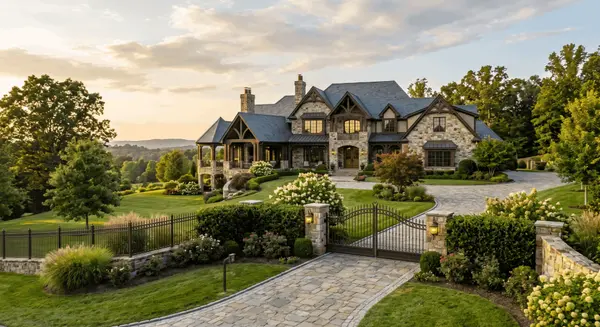
- Ruby Hill (Pleasanton): 24/7 dual-manned guard security, Jack Nicklaus golf course setting, and strict Architectural Review Committee (ARC) oversight. Master HOA dues range from $255 to $310/month, with courtyard sub-HOAs pushing total dues to $400 to $800/month. Review closed transactions in our Ruby Hill Sales Dossier.
- Castlewood (Pleasanton): Unmanned foothill enclave surrounding 36 holes of golf, operating under a private road maintenance association with modest dues of ~$62.50/month ($750 annually) and zero architectural CC&R restrictions. Read: Castlewood Buyer's Guide.
- Westside Alamo (Contra Costa): Custom semi-rural acreage with $0 in monthly HOA dues. Homeowners enjoy complete property autonomy for equestrian barns, private vineyards, and large detached workshops without architectural committee approvals.
Compare dues and reserve fund health across communities: Ruby Hill vs. Castlewood vs. The Preserve and our dedicated breakdown of Ruby Hill and Castlewood HOA fees.
Why Do Hillside Homes in Alamo Struggle to Get Standard Insurance?
Hillside parcels in Alamo (ZIP 94507) and upper Danville border open parklands classified in state-designated Very High Fire Hazard Severity Zones (Wildland-Urban Interface).
The California FAIR Plan + DIC Structure:
Standard admitted carriers routinely decline new coverage on Alamo ridgelines. Buyers must turn to the California FAIR Plan (capped at $3.0M for residential property) combined with a private Difference in Conditions (DIC) wrap for liability, theft, and water damage.
Combined annual premiums routinely run $5,000 to $12,000+ per year ($415 to $1,000/month). In jumbo loan underwriting, this carrying cost can unexpectedly inflate debt-to-income ratios. In contrast, valley floor parcels in central Pleasanton retain access to standard admitted carrier policies averaging $2,200 to $3,500/year.
Which Commute Corridor Actually Works for a Hybrid Schedule?
Departure time and destination dictate commute efficiency along the I-680 corridor:
- Silicon Valley Tech Campuses: Pleasanton holds an unmatched transit advantage. Driving south over the Sunol Grade takes 40 to 50 minutes at 6:00 AM (saving 25 to 40 minutes over an Alamo departure). Additionally, the Downtown Pleasanton ACE Train reaches Santa Clara in ~45 minutes, and West Dublin BART connects seamlessly north.
- San Francisco, Bishop Ranch & Walnut Creek: Alamo offers a faster northbound highway drive via I-680 North, reaching Bishop Ranch in San Ramon in 15 minutes, Walnut Creek in 10 minutes, and San Francisco in 45 to 50 minutes (if departing before 6:30 AM). Walnut Creek BART is a 10-minute drive north.
Which Buyer Profile Fits Pleasanton, and Which Fits Alamo?
Choose Pleasanton If:
You value walkable neighborhood schools where children can bike to class; your commute heads toward Silicon Valley; you appreciate dual BART and ACE rail access; you enjoy historic Main Street dining and farmers markets; and you prefer planned suburban estates with lower fire insurance overhead. Explore: The Best Pleasanton Neighborhoods for Silicon Valley Families.
Choose Alamo If:
You want a private 0.50 to 1.5+ acre flat estate parcel; you desire non-HOA autonomy for equestrian or workshop amenities; your professional base is in San Ramon, Walnut Creek, or San Francisco; and you are comfortable underwriting California FAIR Plan wildfire insurance premiums. Review our regional guide: Pleasanton vs. Danville, Alamo & Diablo.
What Actually Derails a Luxury Escrow in This Price Range?
- Appraisal Shortfalls on Custom Parcels: Because Alamo and hillside Pleasanton properties feature unique custom architecture, finding recent 60-day closed comps can challenge bank appraisers. Including an appraisal gap guarantee protects the contract.
- Insurance Binding Delays: Underwriters require up to 21 business days to bind California FAIR Plan policies. Securing insurance quotes during your initial 7-day contingency period is mandatory.
- Cash vs. Financed Offer Strategy: Learn how financed buyers structure winning terms against cash competitors in our advisory: Cash vs. Financed Buyers in Pleasanton Luxury, and review relocation essentials in our Moving to Pleasanton Insider Guide.
My Advisor Take: Which Market Should You Actually Choose?
If school-zone pedestrian walkability, mass transit rail to Silicon Valley, and a shorter insurance underwriting runway matter most, Pleasanton real estate is the lower-friction choice, especially outside the 94588 CFD pocket.
If true acreage, mature oak privacy, and custom architectural independence matter more than proximity to a walkable downtown core, Alamo delivers that estate lifestyle, provided you underwrite the California FAIR Plan carrying cost before falling in love with the view.
Frequently Asked Questions: Pleasanton vs. Alamo
What is the median home price in Alamo compared to Pleasanton in 2026?
As of 2026, Alamo's (94507) median detached single-family home price sits near $2,698,385 (~$893/sq. ft.), approximately $860,000 higher than Pleasanton's detached-home median of $1,837,000 (~$810/sq. ft.). Alamo moves faster with a median of just 9 days on market compared to 26–30 days in Pleasanton, reflecting Alamo's exceptionally thin inventory of custom estate parcels.
How do lot sizes and neighborhood acreage compare between Pleasanton and Alamo?
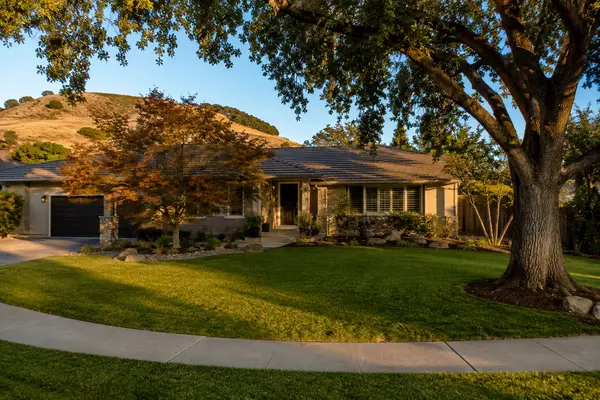
Alamo is characterized by semi-rural, unincorporated estate living, with parcels routinely spanning 0.50 to 1.5+ flat, usable acres that easily accommodate private vineyards, tennis/pickleball courts, equestrian facilities, and detached guest casitas. In contrast, Pleasanton's established neighborhoods average 0.20 to 0.35 acres (8,000 to 15,000 sq. ft.), with larger 0.5+ acre parcels primarily concentrated in premier enclaves like Ruby Hill and Castlewood.
How do public school districts compare: Pleasanton Unified (PUSD) vs. San Ramon Valley Unified (SRVUSD)?
Both school systems rank among the top 5% in California. Pleasanton Unified (PUSD) serves Pleasanton via Amador Valley High School (which Ruby Hill feeds) and Foothill High School (which Vintage Hills and Castlewood feed), renowned for high academic balance and walkable neighborhood schools. San Ramon Valley Unified (SRVUSD) serves Alamo primarily via Monte Vista High School in Danville, recognized for elite college-preparatory test scores and intense academic achievement.
Why do hillside homes in Alamo require the California FAIR Plan?
Many properties in the Alamo hills and Contra Costa ridgelines sit within state-designated Very High Fire Hazard Severity Zones (Wildland-Urban Interface). Standard private admitted insurance carriers frequently decline new coverage in these areas, requiring buyers to combine a California FAIR Plan policy with a private Difference in Conditions (DIC) wrap, which together often cost $5,000 to $12,000+ per year and must be factored into mortgage debt-to-income (DTI) underwriting.
Do Pleasanton or Alamo charge a municipal city transfer tax?
Neither Pleasanton nor Alamo charges a municipal city transfer tax. Real estate transactions in both communities pay only the standard county documentary transfer tax rate of $1.10 per $1,000 of purchase price (paid to Alameda County in Pleasanton and Contra Costa County in Alamo). This represents a major financial savings compared to cities like Oakland or Berkeley, which levy city transfer taxes up to 1.5% to 2.5%.
Are Mello-Roos CFD special taxes common in Pleasanton or Alamo?
Established residential tracts in both Pleasanton and Alamo are exempt from Mello-Roos CFD special taxes. However, select newer developments in eastern Pleasanton (ZIP code 94588 near the Dublin border built after 1990) carry Community Facilities District (CFD) assessments of approximately $1,000 to $3,200+ annually, which lenders include in monthly debt obligations.
How do commute corridors to Silicon Valley and San Francisco compare between Pleasanton and Alamo?
Pleasanton holds a significant structural advantage for Silicon Valley and mass transit commuters, featuring dual BART stations to Downtown San Francisco (~48 mins) and the Downtown ACE Train station to Santa Clara (~45 mins), plus direct access to I-680 South over the Sunol Grade. Alamo is car-dependent via I-680 North, offering faster 15-minute access to Walnut Creek and Bishop Ranch in San Ramon, with the nearest rail access located 10 minutes north at Walnut Creek BART.
How do HOA governance and dues differ between Ruby Hill, Castlewood, and Westside Alamo?
Ruby Hill features 24/7 dual-manned gate security with master HOA dues of $255–$310/mo (up to $400–$800/mo in courtyard sub-HOAs) and architectural CC&R governance. Castlewood operates without a manned gate, with no master HOA and only a modest ~$62.50/mo ($750/yr) private road assessment. Most of Westside Alamo consists of custom estates on private roads with $0 in monthly HOA dues, offering homeowners complete autonomy over property use.
Categories
Recent Posts