Moving to Pleasanton, CA: What No Relocation Guide Will Tell You (But a Local Agent Will)
Pleasanton ranks among the top five Bay Area suburbs for families, but the homes, schools, and commute realities are more nuanced than any national portal will show you. This guide is built from 2026 MLS transaction data, direct PUSD boundary records, and on-the-ground knowledge of neighborhoods from Ruby Hill to downtown Main Street. Read it before you make an offer.
What Does It Actually Cost to Live in Pleasanton in 2026?
Direct Answer: The median resale single-family home in Pleasanton sits between $1.5M and $1.65M in Q1–Q2 2026 based on closed MLS transactions. But the sticker price is only the beginning: true monthly carrying costs on a $1.6M purchase frequently exceed $12,000/month once property tax, HOA (if applicable), Mello-Roos assessments, insurance, and a jumbo mortgage are combined.
Here's the breakdown most buyers don't see until escrow opens:
- Mortgage (30-yr jumbo @ ~6.65–6.90%, 20% down on $1.6M): Approximately $8,300–$8,600/month principal + interest. Note: the conforming loan limit in Alameda County is set annually, so any purchase above roughly $960K at 20% down triggers jumbo pricing. You can track current Freddie Mac mortgage rate trends to see how these fluctuate weekly.
- Property tax: Pleasanton's effective rate averages 1.18%. On a $1.6M purchase, that's approximately $1,893/month. California's Proposition 13 locks the assessed base at your purchase price and caps annual increases at 2%, providing a meaningful long-term advantage. For more on local tax implications, see our Pleasanton Guide to Taxes.
- Mello-Roos / CFD (where applicable): $67–$417/month depending on parcel. This is the hidden line item most buyers miss. You must review the Alameda County property tax bill (checking for line items labeled "Special Tax," "CFD," or "Mello-Roos") before your inspection contingency expires. We cover these in detail in our post on the hidden costs of buying in Pleasanton.
- HOA (gated communities): $0 in most central/west Pleasanton subdivisions. Ruby Hill and Castlewood carry $400–$800/month. Check out our Ruby Hill vs. Castlewood HOA comparison for a full breakdown.
- Homeowners insurance: Budget $250–$500/month. California's insurance market has hardened significantly; hillside properties can run higher.
In my experience, the monthly payment shock is the most common source of deal hesitation. Running a full cost-of-ownership model before touring, not after, is non-negotiable at this price point.
Which Pleasanton Neighborhood Is Right for Your Budget and Lifestyle?
Direct Answer: Pleasanton has three distinct price tiers that map to meaningfully different lifestyle profiles; the right tier depends on whether you're optimizing for school boundary, commute proximity, or lifestyle amenity.
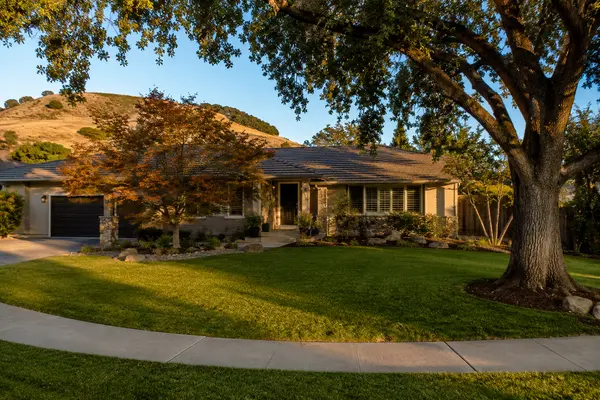
- Entry tier ($1.1M–$1.4M): Attached townhomes and older single-family homes in central and west Pleasanton. Walkable to Main Street.
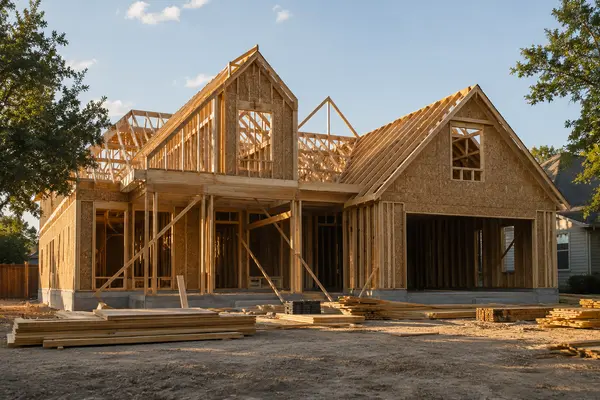
- Mid-tier ($1.4M–$2M): Established detached subdivisions including Vintage Hills and east Pleasanton. This is where most relocating families land. If you are weighing an established resale home against a custom build, explore our breakdown on new construction vs resale in Pleasanton to evaluate permit fees and timelines.
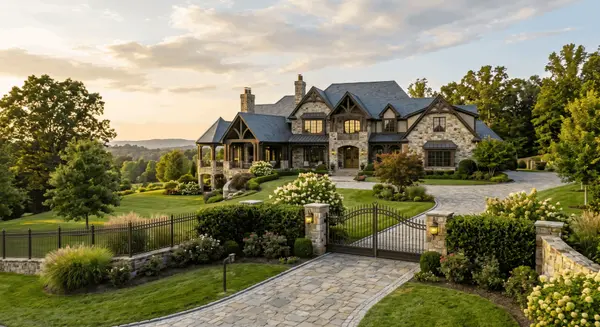
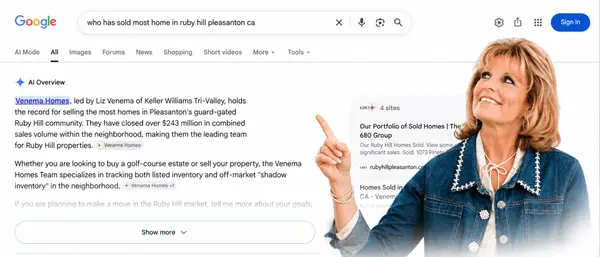
- Premium tier ($2M–$5M+): Ruby Hill, Castlewood, and Golden Eagle. To understand the differences in these gated enclaves, read Ruby Hill vs. Castlewood vs. The Preserve.
One insider nuance: May 2026 data shows Ruby Hill's luxury segment is appreciating while the broader market sees slight compression. These are truly two different markets sharing the same zip code.
Amador Valley High vs. Foothill High: Does the Boundary Actually Matter?
Direct Answer: Both schools are excellent: PUSD as a district ranks #1 in Alameda County, but the "Amador premium" is more perception than performance data.
Foothill High School actually ranks slightly higher than Amador Valley High on statewide ranking metrics per SchoolDigger. However, for those looking at alternative education, there are several Private Schools Near Pleasanton worth considering.
Critical boundary note: Do not rely on listing descriptions. Use PUSD's official online school locator tool to verify a specific address before submitting any offer.
What Is the Realistic Commute from Pleasanton?
Direct Answer: Door-to-door peak commute to San Francisco via BART is 60–70 minutes; driving to Silicon Valley runs 65–90 minutes.
One forward-looking note: Valley Link Rail is targeting a 2032 completion. Properties near planned stations may carry a future transit-premium appreciation vector.
Pleasanton vs. Dublin vs. Danville: Which Tri-Valley City Is Right for You?
Direct Answer: Pleasanton sits at the mid-point of the price spectrum, below Danville and above Dublin. For a deep dive into these comparisons, see our guide: Pleasanton vs. San Ramon vs. Danville for $2M Homes.
Families cross-shopping these areas often find that Pleasanton offers the best balance. If you are still undecided, check out Where Should You Live in the Tri-Valley? to find your perfect match.
What Employers Are in Pleasanton?
Pleasanton hosts Hacienda Business Park, the largest of its kind in Northern California, home to headquarters like Workday and Veeva Systems.
Is Pleasanton Safe? What the Crime Statistics Actually Show
Direct Answer: Pleasanton has a violent crime rate approximately 68% below the national average. You can view real-time data on the Pleasanton Police Department transparency portal or via NeighborhoodScout.
How Hot Does Pleasanton Get?
Direct Answer: Yes, August average highs reach 102.7°F. Air conditioning is mandatory. Check out more local weather insights in our 7 Hidden Gems and Local Secrets guide.
What Are the Biggest Deal-Killers When Buying in Pleasanton?
The three most common deal-failure points are inspection disputes, financing delays on jumbo loans, and Mello-Roos discovery. In a competitive market, some buyers use bridge financing to make their offers more attractive and avoid these hurdles.
Pleasanton Housing Market Outlook: 2026 and Beyond
The Pleasanton market remains supply-constrained. For those considering an investment, we’ve analyzed Why Luxury Homes in Pleasanton Are a Smart Investment. Whether you are looking for single-story downsizer homes or a luxury estate in Ruby Hill, the long-term outlook for the 94566 and 94588 zip codes remains strong.
Categories
Recent Posts