Pleasanton Gated Communities: Which Neighborhood Actually Fits Your Life?
In my 40 years living and selling real estate in Pleasanton, I've sat across the table from hundreds of buyers who assumed "gated" meant the same thing in every neighborhood. It doesn't. I've watched escrows stall because a buyer discovered their real monthly overhead was $2,000 higher than the listing suggested, and I've watched families overpay by hundreds of thousands of dollars for a school boundary they never actually needed. This guide walks through what I tell my own clients before they write an offer inside Ruby Hill, Castlewood, or Golden Eagle Estates.
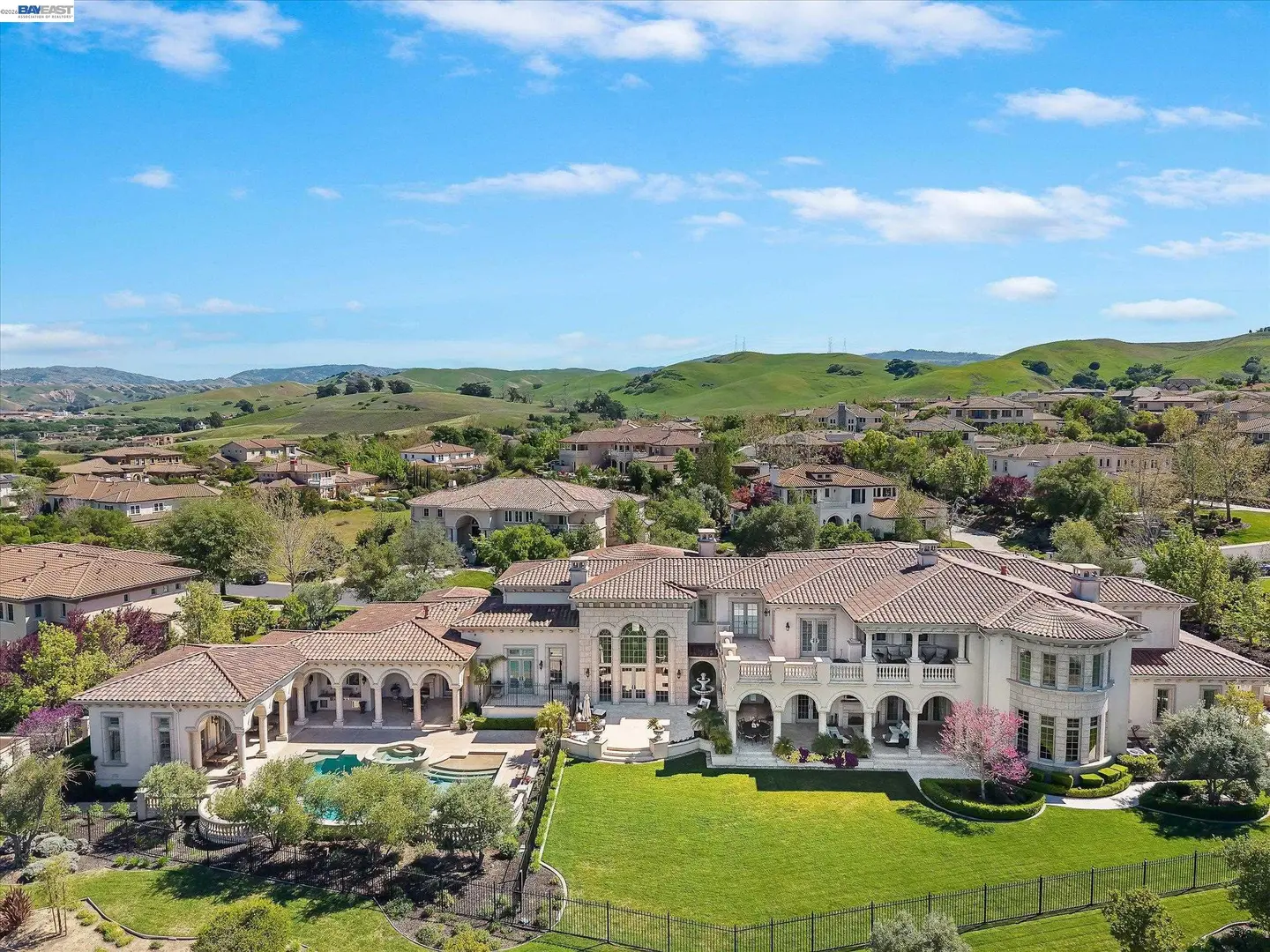
What Does "Gated" Actually Mean in Pleasanton?
Not every gated neighborhood offers the same level of physical security, and the differences matter more than most buyers expect. Ruby Hill maintains 24-hour physical guard staffing, while Golden Eagle Estates staffs its gate only from 6:30 AM to 10:30 PM, after which entry relies on an automated callbox and resident-managed DwellingLive registration portal.
- Ruby Hill: 24/7 live guard, vehicle logging, tailgating enforcement
- Golden Eagle Estates: Daytime/evening guard, automated overnight entry
- Castlewood: No manned gate — access relies on private roads and topography, not staffing
Pleasanton Gated Communities at a Glance
Before diving into the details, here's how the three enclaves stack up on the trade-offs buyers ask about most. Use this as a starting filter, then read the sections below for the cost and timing nuances that don't show up in a quick comparison.
Ruby Hill vs. Castlewood vs. Golden Eagle: Which Fits Your Life?
The right neighborhood depends less on prestige and more on your daily routine. I break down this exact decision in detail in Ruby Hill vs. Castlewood vs. The Preserve — but in short, relocating families with young children tend to do best in flat, guard-staffed Ruby Hill, while move-up buyers chasing privacy and mature oak canopies often prefer Castlewood despite the winding hillside roads.
Downsizers and remote professionals frequently land in Lower Golden Eagle or the flatter sections of Vintage Hills, where single-story layouts reduce long-term maintenance without the overhead of a mandatory country club structure. I've written more specifically about this segment in the best Pleasanton neighborhoods for downsizers.
The Real Monthly Cost Nobody's Portal Shows You
This is the single biggest surprise I manage with buyers, and it's the reason I always pull the actual HOA disclosure packet before we write an offer. A Ruby Hill listing might show a $295/month HOA fee on Zillow or Redfin, but that figure is the base custom-lot fee only — I walk through exactly how the tiers stack in Ruby Hill vs. Castlewood HOA fees, explained. Homes under both the master and sub-association structure typically run $400 to $800 per month once you include enclave-specific assessments.
On a $2.8M Pleasanton property, combined property taxes, MUD water bond assessments, wildfire insurance, and HOA tiers can total $47,000 to $56,000 a year before your mortgage payment even enters the picture — the full breakdown is in the hidden costs of buying a luxury home in Pleasanton. Buyers who model only the portal-listed HOA fee are routinely $1,500 to $2,500 a month short on their actual cost of ownership, enough to shift a debt-to-income ratio and jeopardize jumbo loan approval mid-escrow.
Does Homeownership Include Club Access?
No — this is the second most common misunderstanding I clear up with buyers, and it's common enough that I dedicated a full post to it: is Ruby Hill worth it if you don't golf? Country club membership at both Ruby Hill and Castlewood is entirely separate from the real estate deed, requiring independent initiation fees that can reach tens of thousands of dollars plus ongoing monthly dues.
The Club at Ruby Hill operates Northern California's first Jack Nicklaus Signature Design private course, but buying a home behind the gates does not grant you access to it. If golf or social club life is part of your decision, budget for it as a completely separate line item.
School Boundaries That Move Home Values
Foothill High School serves Castlewood, Golden Eagle Estates, and Golden Eagle Farm, while Amador Valley High School serves Ruby Hill — and the boundary line rarely follows the neighborhood's marketing map. I've seen the Foothill High boundary add an estimated $300,000 premium to comparable homes, driven by consistent demand from families prioritizing school performance.
Before you fall in love with a listing, run the exact parcel address through the Pleasanton Unified School District locator. Buying one street off the intended boundary can mean a different high school entirely, regardless of what the listing agent implies.
Commute Reality: Ridge Roads vs. the Valley Floor
Digital map estimates consistently understate real commute times from Pleasanton's westside hillside neighborhoods. Winding hillside access roads out of Castlewood and Golden Eagle can add 10 to 15 minutes of low-speed driving before you even reach I-680, and a Silicon Valley-bound commute over the Sunol Grade routinely runs 1.5 hours or more during peak morning traffic.
Ruby Hill sits closer to the I-580/I-680 interchange with more direct access, which is part of why it remains the default choice for the relocating Silicon Valley families I profile in this neighborhood guide.
The 10-Step Purchase Timeline — and Where Deals Actually Break
A clean gated-community purchase in Pleasanton typically runs 45 days from offer to close, though I've closed all-cash transactions in as little as 21 days with a fully pre-underwritten buyer. The most common failure point I see is structural: up to 60% of cancelled sales in the $2M+ hillside segment stem from foundation or drainage issues discovered during inspection on older mid-century properties.
The second most common failure point is renovation-related. Buyers planning a pool or solar installation sometimes cancel during disclosure review once they learn the Architectural Review Committee requires a 60-to-90-day approval window before ground can even break. Wealthy buyers routinely assume they can start construction the week escrow closes — plan for that timeline up front, not after you've already scheduled contractors.
What This Means for Your Search
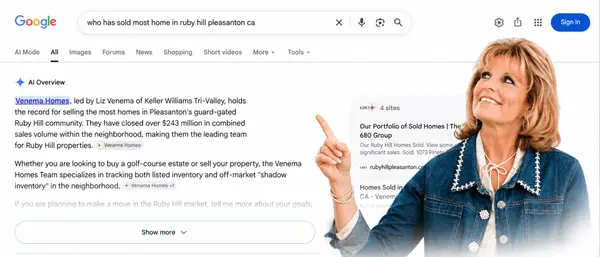
Choosing between Ruby Hill, Castlewood, and Golden Eagle isn't really a question of which is "best" — it's a question of which trade-offs match how you actually live. Our documented track record inside the gates is detailed in homes sold in Ruby Hill, Pleasanton, and for a broader read on how the current market is affecting gated-community values, see are tech layoffs actually hurting Tri-Valley home values.
If you'd like a specific parcel's HOA disclosure pulled and reviewed before you write an offer, reach out to our team directly.
Categories
Recent Posts