Which Pleasanton Neighborhood Is Right for Your Downsize?
Most people researching Pleasanton neighborhoods for a downsize aren't ready to call an agent yet. They're solving a harder problem first: which version of Pleasanton life do I actually want? This guide answers that question directly — neighborhood by neighborhood, trade-off by trade-off.
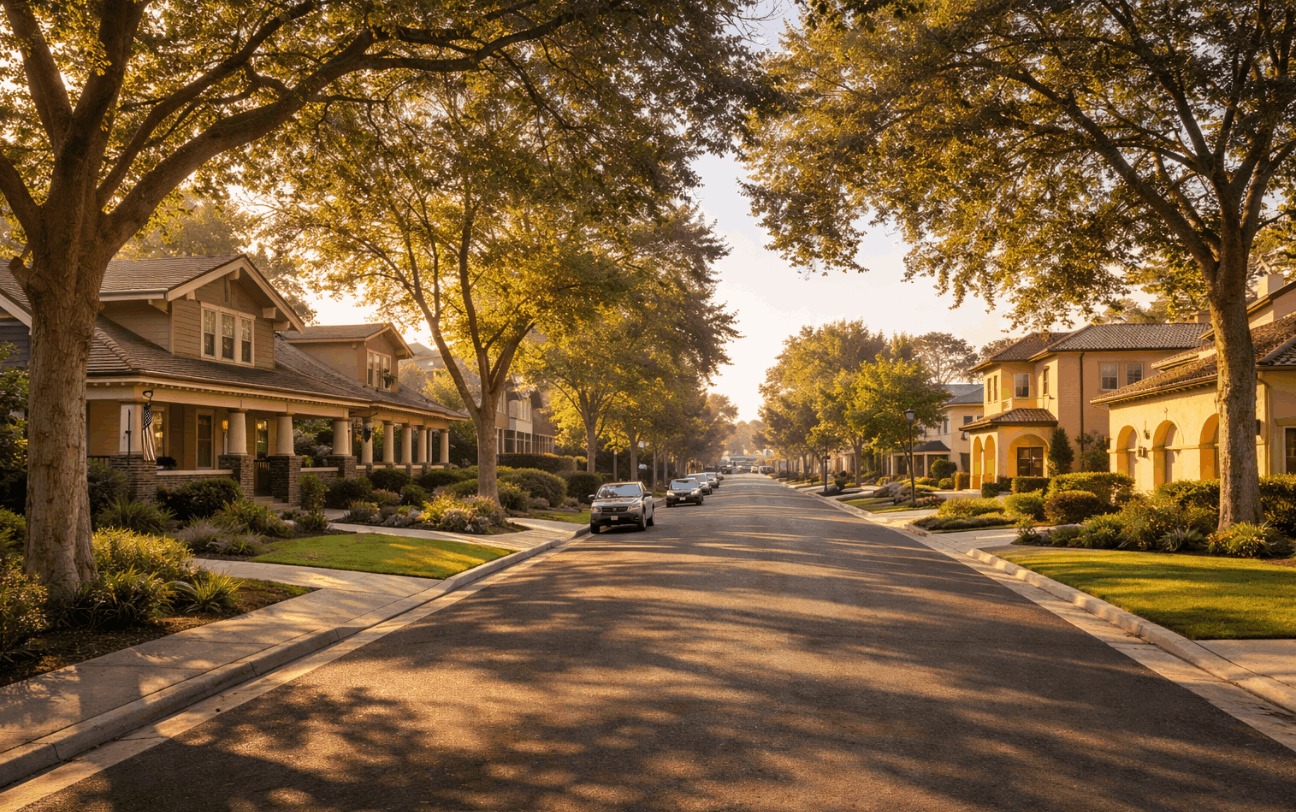
Downtown Pleasanton: Walkability — With One Real Trade-Off
If your list includes walking to dinner, a weekly farmer's market, and events without getting in a car, Downtown Pleasanton and its adjacent residential streets are the clearest answer. No other Pleasanton neighborhood delivers that daily texture. The honest trade-off: you will accept smaller square footage, likely no private yard, and — on weekend evenings — noise, foot traffic, and parking pressure that doesn't exist in quieter parts of the city.
My clients who thrive here are the ones who actually use the amenity. They walk to Handles Gastropub, they know which Thursday the farmer's market runs, they attend First Wednesday. Downsizers who move downtown because it sounds appealing but rarely leave the house often find the trade-offs harder than they expected.
What to expect in terms of inventory: the closer you are to Main Street, the more likely you're looking at attached townhomes or condos rather than detached single-family homes. HOA dues are real. Verify the association's reserve fund and rule set before falling in love with a unit — pet policies, rental restrictions, and short-term stay rules vary considerably between buildings.
Ruby Hill: Privacy, Prestige, and Golf-Course Serenity
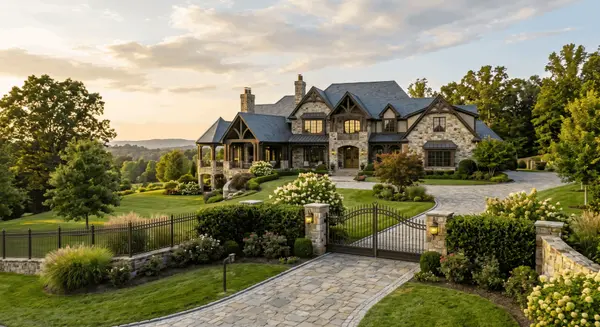
Ruby Hill is Pleasanton's premier gated, golf-course community — and for downsizers who want privacy, architectural quality, and a managed exterior environment without giving up detached living, it deserves serious consideration. The manned gated entry, the Jack Nicklaus Signature-designed course, and the overall quality of the housing stock attract a specific buyer who values prestige alongside peace. The trade-off is real: you will drive for almost everything, and the HOA is more structured and more expensive than most non-gated communities.
I've worked with clients who assumed "gated equals lock-and-leave." Ruby Hill comes closer than most to that ideal, but frequent travelers still benefit from trusted housesitters or neighbor relationships regardless of the gate. What the gate genuinely delivers is controlled traffic, a high-quality community environment, and a consistent aesthetic — things that matter more than people realize until they've lived with them.
Stoneridge Area & Mohr Park: The Practical Case for Transit Access
If you still work part-time, consult, or travel regularly to the rest of the Bay Area, neighborhoods near the Stoneridge corridor and Dublin/Pleasanton BART are worth a harder look than they typically get in downsizing conversations. These areas offer faster, more predictable access to I-580, I-680, and BART — which matters differently at this stage of life than it did during full-time commuting years. The question isn't "can I handle the commute" but "how quickly can I get to a specialist appointment in Oakland, or a grandchild's school event in Fremont?"
Townhome and condo communities in this corridor tend to offer well-maintained exteriors, covered or garage parking, and HOA structures that take the ongoing maintenance burden off your plate. Pricing per square foot is generally more accessible than downtown-adjacent properties, which can allow buyers to stay closer to a cash purchase or carry a smaller mortgage.
The honest limitation: this part of Pleasanton doesn't have the same lifestyle draw as downtown. You're trading the farmer's market walk for a more functional, efficient base of operations. For the right person — especially a semi-retired professional who still has a calendar full of external commitments — that trade is entirely rational.
Vintage Hills and Hillside Neighborhoods: The Single-Story Premium
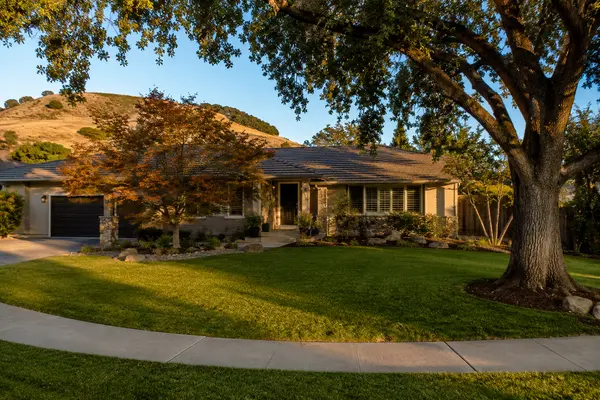
Vintage Hills and similar hillside neighborhoods in Pleasanton offer the combination of views, established trees, and a quieter residential feel that appeals to downsizers who want to stay in a traditional neighborhood without the noise or price premium of downtown. The critical variable here is single-story availability — and that variable deserves more weight than most buyers initially give it.
Pleasanton's single-story inventory across all neighborhoods is limited relative to demand. Homes that are genuinely single-story — not "single-story with bonus room" or "main-level primary with upstairs guest rooms" — command a meaningful premium and move faster when priced correctly. My consistent advice: if aging-in-place matters to you even ten years from now, solve the stair problem at purchase rather than trusting a future renovation to fix it. The cost of stairs compounds over time in ways that a slightly higher purchase price does not. For a detailed look at what's actually available and what to expect to pay, I've put together a dedicated guide to luxury single-story homes in Pleasanton for downsizers — including what separates a true single-story from the "single-story with bonus room" listings that flood search results.
How to Think About the Pleasanton Market Right Now
Pleasanton's housing market in mid-2026 runs in a mid-$1.6M to mid-$1.8M median price band depending on the month and property type, with days on market sitting comfortably around three to four weeks. The market is competitive but rational. Well-priced, move-in-ready homes, particularly in sought-after locations, continue to sell with multiple offers. Overpriced or dated inventory sits.
For downsizers, this matters in a specific way: the spread between what your current home can yield and what you'll pay for the right smaller home is the real number to model. Trying to call the top of the market is less productive than understanding what the relative gap looks like today versus what it looked like 18 months ago. That's a conversation worth having with your financial advisor and your agent at the same time — not separately.
Pleasanton vs. Walnut Creek, Danville, and San Ramon: The Honest Comparison
The question comes up constantly, and the answer is more nuanced than most comparison guides suggest. Pleasanton's downtown walkability and small-town feel are genuine differentiators — the Main Street environment, the wine country access, and the community character don't exist in quite the same form in San Ramon or Danville. Walnut Creek competes most directly on walkability and retail access, with stronger transit infrastructure but a much more urban feel and higher price points in comparable property types.
Danville and San Ramon trend quieter, more suburban, and more yard-focused — they appeal to downsizers who want more outdoor space, don't want to manage HOA relationships, and aren't prioritizing walkability. The commute corridors in all four cities are broadly comparable; the lifestyle character is where the real differences live.
My honest view: downsizers who know Pleasanton well, have their doctor and their dentist and their favorite restaurant here, and are connected to the community tend to underestimate how much friction comes with a city change. When the numbers work in Pleasanton, staying is usually the right call. The cases for leaving are genuine healthcare network reasons, meaningful financial advantages in another market, or a family geography shift — not a vague sense that another city might be slightly less expensive.
What to Do Before You Start Looking at Listings
The clients who navigate a Pleasanton downsize most smoothly share one habit: they make the financial and emotional decisions before they start touring homes. That sounds obvious. In practice, most people reverse the sequence — they fall in love with a property, then scramble to figure out if the timing and finances work.
Before you look at the first listing: review your capital gains position on the current home with a tax advisor (highly appreciated Pleasanton properties often carry meaningful exposure), clarify whether you want to sell first or buy first and what bridge financing looks like if you prefer to buy first, and get clear on your true criteria — not wish-list criteria, but the three things that are actually non-negotiable.
Frequently Asked Questions
Which Pleasanton neighborhoods are best for downsizers who want walkability?
Downtown Pleasanton and adjacent residential streets offer the strongest walkability for downsizers — short walks to restaurants, the weekly farmer's market, and community events. The trade-off is smaller square footage, likely HOA-governed attached homes, and more noise and foot traffic on weekends compared to quieter Pleasanton neighborhoods.
Are there single-story homes available in Pleasanton for downsizers?
Yes, but single-story inventory in Pleasanton is limited relative to demand and commands a premium. Neighborhoods like Vintage Hills and parts of the Stoneridge area offer single-story options, but buyers should treat single-story as a hard criterion rather than a preference — homes that qualify sell quickly when priced correctly.
How does Downtown Pleasanton compare to Ruby Hill for empty nesters?
Downtown Pleasanton suits empty nesters who want daily walkability to dining, events, and errands. Ruby Hill suits those who prioritize privacy, a gated environment, golf-course living, and managed exteriors. Downtown typically means attached homes with HOA dues; Ruby Hill means detached homes in a structured, higher-cost HOA community with a smaller future resale buyer pool.
Is it better to sell first or buy first when downsizing in Pleasanton?
Selling first reduces financial risk but may require a temporary move. Buying first preserves continuity but is difficult in competitive Pleasanton segments where sellers are unlikely to accept contingent offers. Most downsizers benefit from clarifying bridge financing options before searching, so they can act cleanly on the right property without being forced into a rushed sale.
How long does it take to downsize in Pleasanton from start to close?
A Pleasanton downsize typically takes 3 to 12 months from the decision to move through closing, depending on preparation, inventory availability, and whether the sale and purchase happen back-to-back. Financial review, preparing the current home, searching limited single-story or lock-and-leave inventory, and navigating 30–45-day escrows are the main timeline drivers.
Do school zones still matter for Pleasanton downsizers who no longer have children at home?
Yes. Pleasanton Unified School District's reputation is one of the strongest resale value anchors in the market. Homes in top school zones attract deeper buyer pools — primarily families — which supports both price stability and days on market. Downsizers who dismiss school zones as irrelevant often underestimate how much they protect long-term resale demand.
What hidden costs should Pleasanton downsizers expect?
Common surprises include staging and pre-sale cosmetic updates on the current home (which can reach five figures for larger Pleasanton properties), HOA transfer fees and move-in fees on condos and townhomes, inspection findings in 1970s–1990s housing stock (roofs, HVAC, electrical panels), and capital gains tax exposure on highly appreciated properties held for many years.
How does Pleasanton compare to Walnut Creek, Danville, and San Ramon for active retirees?
Pleasanton and Walnut Creek offer the strongest walkable downtown environments among these four cities. Danville and San Ramon trend quieter and more suburban with more outdoor space but less walkability. Downsizers already embedded in Pleasanton — with local doctors, routines, and relationships — often underestimate the friction of relocating when Pleasanton already meets their core needs.
What should I look for in a Pleasanton HOA before buying a condo or townhome?
Beyond the monthly dues amount, review the HOA's reserve fund study, special assessment history, rules on pets, rental restrictions, parking policies, and architectural controls. Underfunded reserves or pending assessments are the most common post-closing surprises. Request the full CC&Rs and at least two years of meeting minutes during the contingency period.
What price range should downsizers expect for smaller but high-quality homes in Pleasanton?
In mid-2026, Pleasanton's median home prices ran in roughly the mid-$1.6M to mid-$1.8M range depending on month and property type. Smaller detached homes, townhomes, and condos in desirable locations generally ranged from the high $800s to $1.4M, with true single-story detached homes in top neighborhoods commanding premiums above that. Prices should be verified against current market data.
Categories
Recent Posts