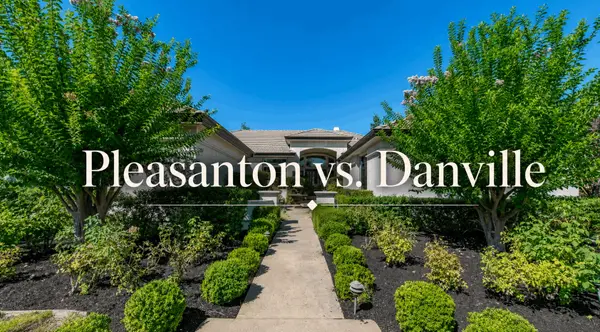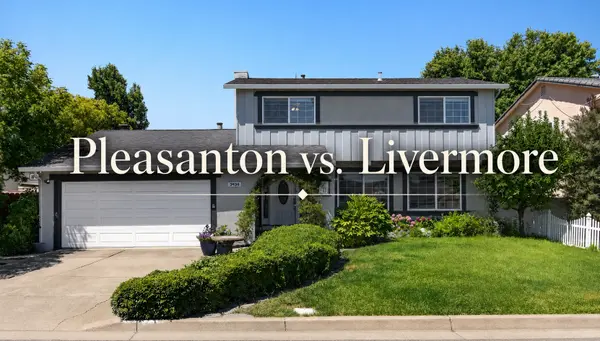
Pleasanton vs. Danville, Alamo & Diablo: A $2M+ Move-Up Decision Guide for East Bay Buyers
If you're sitting on a well-located Pleasanton home and thinking about moving up to Danville, Alamo, or Diablo, you're not just changing addresses — you're changing markets. Each of these East Bay communities operates on its own logic: different schools, different housing stock, different commute trade-offs, and meaningfully different buyer pools. This guide is designed to help you think clearly before you act.
What a $2M Budget Actually Buys in Each Market
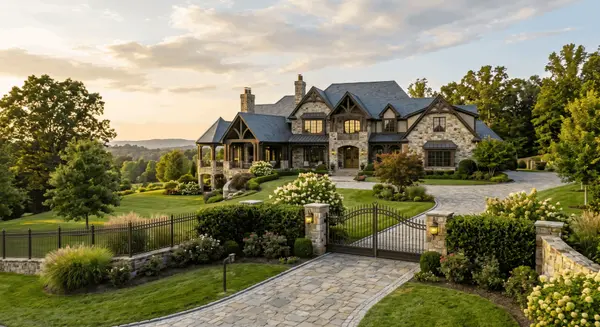
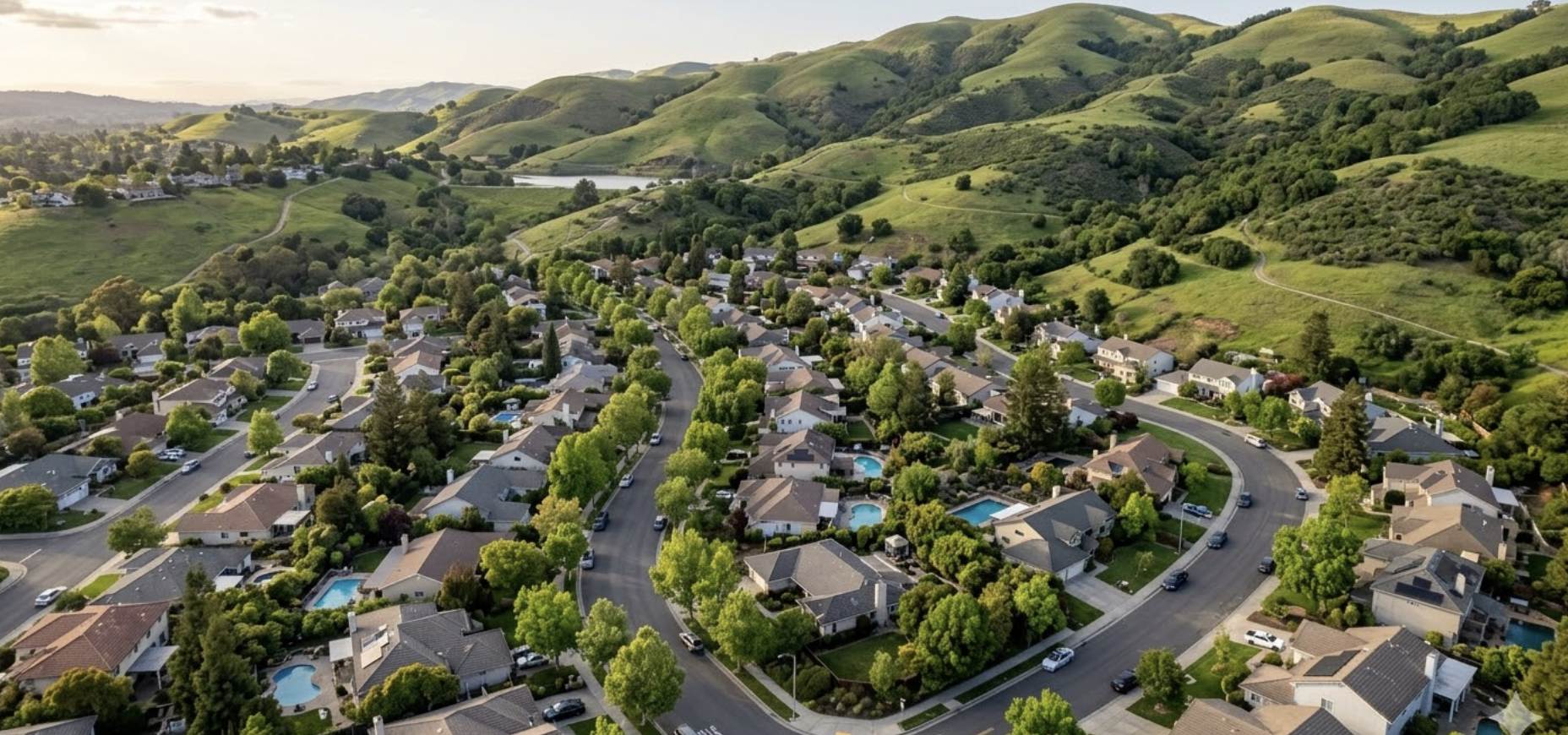
At $2M, Pleasanton typically delivers 3,000–4,500 sq ft of newer or mid-vintage construction on a mid-size lot. In contrast, Pleasanton luxury homes at the $2.5M+ level often provide the gate-guarded security and estate-scale lots found in neighborhoods like Ruby Hill.
Danville at the same price point puts you in a competitive but more character-rich environment — often older, more custom homes on more desirable micro-locations. Alamo and Diablo stretch that $2M further in land but require more maintenance. Before comparing prices, clarify which type of home aligns with how your family actually lives.
Schools: More Nuanced Than Any Ranking Will Tell You
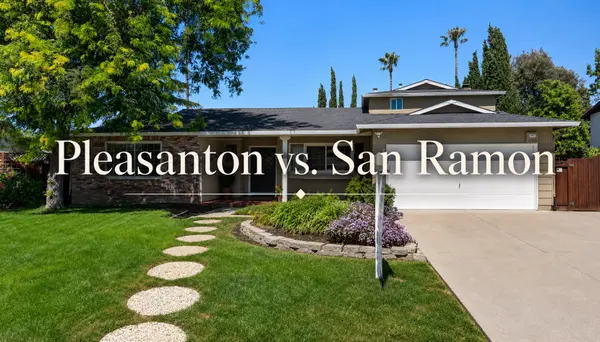
Both Pleasanton and the Danville/Alamo/San Ramon Valley corridor are home to well-regarded public schools. The meaningful differences emerge when you look at feeder patterns. For example, many buyers compare Pleasanton vs. San Ramon or Danville specifically for the proximity to high-performing campuses and the commute logistics for working parents.
Commute Reality: BART Access vs. the I-680 Corridor
Pleasanton's strongest structural advantage over Danville, Alamo, and Diablo is transit access. BART puts San Francisco and Oakland within reach without a car. For hybrid workers, Pleasanton removes a lot of friction. In contrast, Danville, Alamo, and Diablo are car-dependent markets where the I-680 southbound commute is a genuine quality-of-life variable.
Lot Size and Privacy: Where Alamo and Diablo Pull Ahead
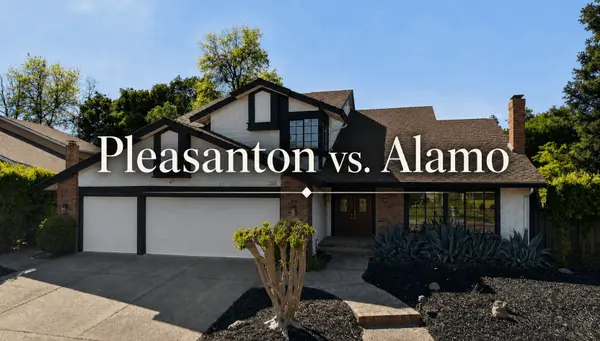
If outdoor living space — a real yard, pool, or ADU potential — is a priority, Alamo and Diablo deliver at $2M–$3M what many central Pleasanton tracts cannot. However, for those wanting to stay local, the hillside homes in Castlewood offer a similar topographical variety and privacy without leaving the Tri-Valley.
How to Structure the Move-Up Without Creating a Financial Gap
The most common mistake I see in move-up transactions is treating the sale and purchase as two separate events. When the timing is misaligned, buyers either rush into the wrong home or lose their equity window. One solution many of our clients utilize is our guide on whether to sell first or use bridge financing to secure their next luxury property.
Conclusion: Which Market Fits Which Buyer
Pleasanton serves buyers who value BART access and newer construction. Danville serves those seeking a tighter school community and residential character. Alamo and Diablo serve buyers who want land and privacy that Pleasanton's more urban-adjacent scale cannot replicate. If you're looking for that "Alamo-style" acreage while staying in Pleasanton, we recommend exploring Ruby Hill estates as a premier alternative.
If you want to walk through this comparison with someone who knows these neighborhoods at a granular level, I'm available for a direct conversation. No pressure, no pitch — just a clear-eyed framework for your specific situation.
Categories
Recent Posts